
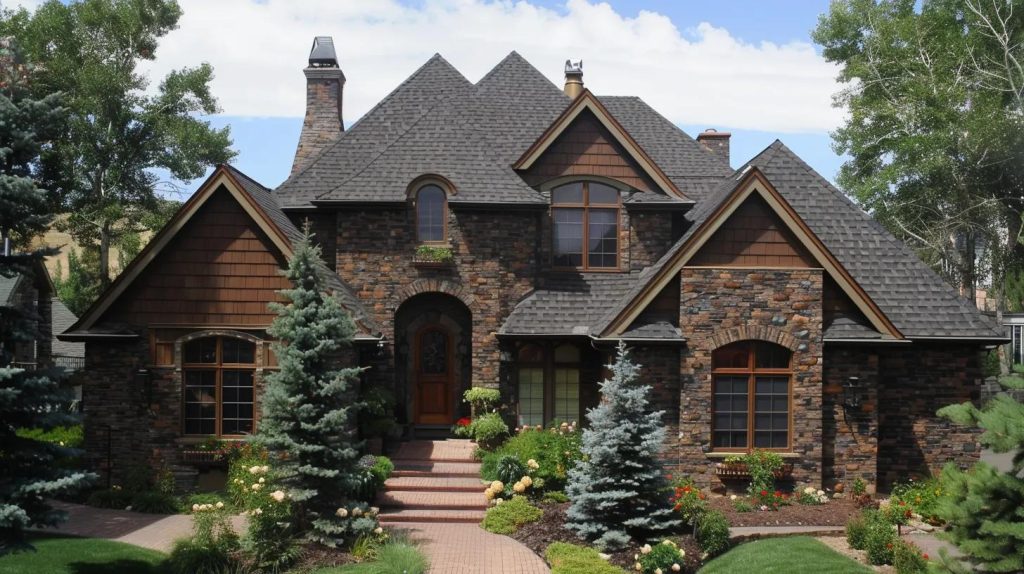
Yes—shingle color can affect how much heat your roof absorbs, especially during Colorado’s intense sun months. But the impact you feel inside your home depends heavily on attic insulation, ventilation, and how your house is oriented.
This guide explains when roof color matters, when it doesn’t, and how to choose a shingle color you won’t regret.
Early reference (service overview): “Red Rock Roofing – Roofing Services.”
Does shingle color actually change how hot your home feels in Colorado?
Yes, it can — mainly by changing the roof surface temperature and, secondarily, attic temperature. Lighter or “cool roof” surfaces reflect more sunlight and absorb less solar energy, which can keep the roof cooler on sunny days. See “Cool Roofs” from the U.S. Department of Energy.
However, how much that roof heat makes it into living spaces varies. Homes with strong insulation, good air sealing, and balanced ventilation often feel less difference from roof color than homes where the attic is under-ventilated or under-insulated.
What’s the real difference between dark shingles and light shingles?
In simple terms: dark shingles absorb more solar energy; light shingles reflect more. That usually means a darker roof gets hotter under direct sun.
It’s also worth knowing that color is not the only factor. “Cool roof” performance is tied to solar reflectance (how much sunlight the roof reflects) and thermal emittance (how well it releases heat). Some newer materials aim to improve reflectance even in deeper colors.
Colorado nuance: because the sun is intense at elevation and many homes have strong summer sun exposure on south/west slopes, roof color can matter more on those slopes than on shaded or north-facing slopes.
Will a darker roof help in winter—like melting snow or lowering heating costs?
Sometimes darker surfaces can warm a bit more in direct sun, but that doesn’t reliably translate into lower heating costs. Indoor heating demand is usually driven more by insulation, air sealing, and duct leakage than roof color.
Also, “faster melt” isn’t always a win. Uneven melting and refreezing can contribute to edge-ice patterns and moisture issues depending on roof geometry and insulation details.
When does shingle color matter most in Colorado?
Shingle color tends to matter most when cooling comfort is a priority and the attic system isn’t doing all the work.
Decision table: when roof color is high-impact vs low-impact
| Your situation | Roof color matters more when… | Roof color matters less when… | Practical takeaway |
| You have central AC (or bedrooms under the attic) | Summer overheating is a real comfort issue | The home stays comfortable even on hot days | Consider lighter or “cool-rated” options |
| Your attic runs hot / ventilation is questionable | Heat builds up and lingers | Attic has balanced intake/exhaust and good insulation | Fix ventilation/insulation first; color is secondary |
| Your roof has big south/west exposure | Direct sun is intense in afternoons | Roof is shaded (trees/adjacent buildings) | Color choice matters more on sun-heavy slopes |
| You live where HOA/style rules are strict | You have limited color options | You have full flexibility | Choose a compliant color, then optimize ventilation |
| You’re planning a full replacement anyway | You can choose system-wide improvements together | You’re only replacing a few shingles | Bundle the decision with ventilation and underlayment planning |
What matters more than color for indoor comfort?
If your goal is a cooler (or more stable) indoor temperature, these factors often outrank color:
- Attic insulation level and continuity (no gaps)
- Air sealing (especially around attic penetrations)
- Balanced ventilation (intake + exhaust working together)
- Ductwork location and leaks (if ducts run through the attic)
Think of shingle color as a “roof-surface lever.” Insulation, air sealing, and ventilation are the “whole-house levers.”
For replacement planning see, Red rock roofing- Roof replacement colorado.
How do you choose a shingle color for Colorado without overthinking it?
Start with what you’re optimizing for (comfort, looks, HOA rules), then choose the best-performing option within that boundary.
Quick selection checklist
- Do you have AC and experience summer overheating upstairs?
- Does your roof get heavy south/west sun exposure?
- Are you willing to prioritize a lighter or “cool-rated” color family?
- Are HOA/architectural restrictions limiting your choices?
- Are you also improving ventilation/insulation during the project?
If you’re comparing replacement options, the residential roofing page can help you understand what should be included in the scope.
Two real-world examples (how the decision plays out)
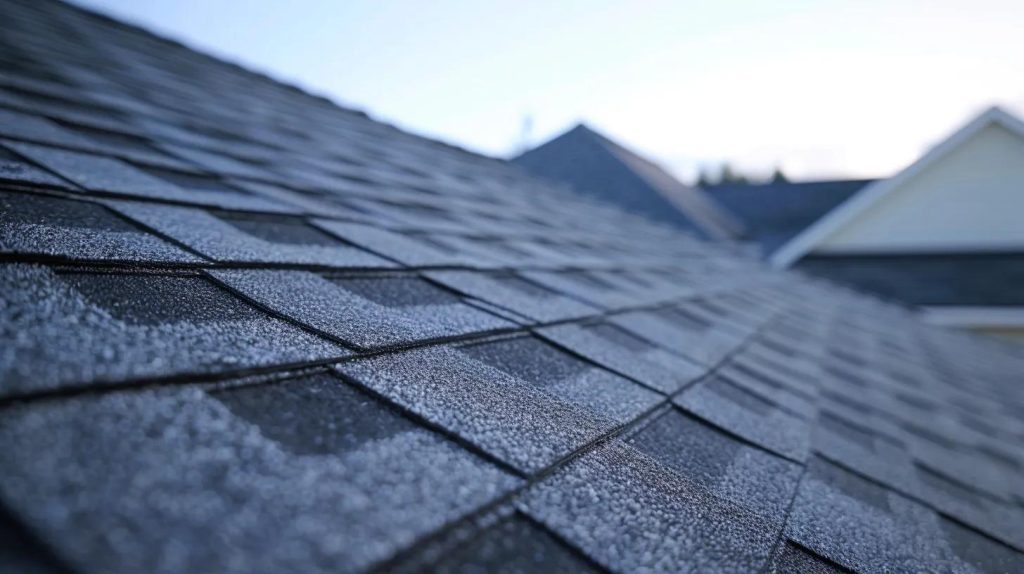
Example 1 (comfort-first): A homeowner in the Front Range has upstairs bedrooms that run hot every summer afternoon. They choose a lighter or cool-rated shingle color family and address attic ventilation during the roof replacement plan. The result is less “peak heat” in the attic and fewer comfort complaints upstairs.
Example 2 (HOA + mixed seasons): A homeowner in an HOA community has limited color options and worries about winter performance. They pick the HOA-approved mid-tone color and focus on insulation and ventilation improvements to stabilize both winter moisture risk and summer attic heat.
Common mistakes and red flags
- Choosing a roof color expecting guaranteed utility savings.
- Treating roof color as a substitute for insulation, air sealing, or ventilation.
- Picking a very dark color on a sun-heavy roof when summer overheating is already a problem.
- Ignoring HOA rules until after you fall in love with a color.
- Assuming “cool roof” = “white roof.” Some products improve reflectance in darker colors.
Roof color and heat FAQs
Does roof color affect attic temperature?
It can—especially in strong sun. But the attic’s ventilation and insulation still determine how much that heat affects indoor comfort.
Are “cool roof shingles” a thing?
Yes. “Cool roof” refers to roofing systems with higher reflectance and/or higher emittance designed to reduce heat absorption. See “Using Cool Roofs to Reduce Heat Islands.”
Note: The ENERGY STAR roofing certification program ended in 2022, but reflectance ratings and product performance concepts still exist through other channels like CRRC-rated products and manufacturer data. See “Energy Star Roofing Program Sunsets.”
If I choose a lighter color, will snow melt faster or slower?
Snow behavior depends on many factors (sun exposure, insulation/air leakage, roof geometry). Roof color is usually a smaller driver than how much heat escapes into the attic.
Next step
For the full map of service paths (inspection, repair, replacement planning), start here: Red rock roofing-Roofing-services.
If you’re choosing shingles as part of a replacement plan, the best next step is here: Roof replacement in Colorado.
References:
- DOE: Cool roofs basics (reflect more sunlight, absorb less heat).
- EPA: Cool roofs and heat reduction concepts.
- LBNL: Cool-color roofing materials (reflectance concepts and development).
- Cool Roof Rating Council / Coolroofs.org: ENERGY STAR roofing program sunset notice.
