
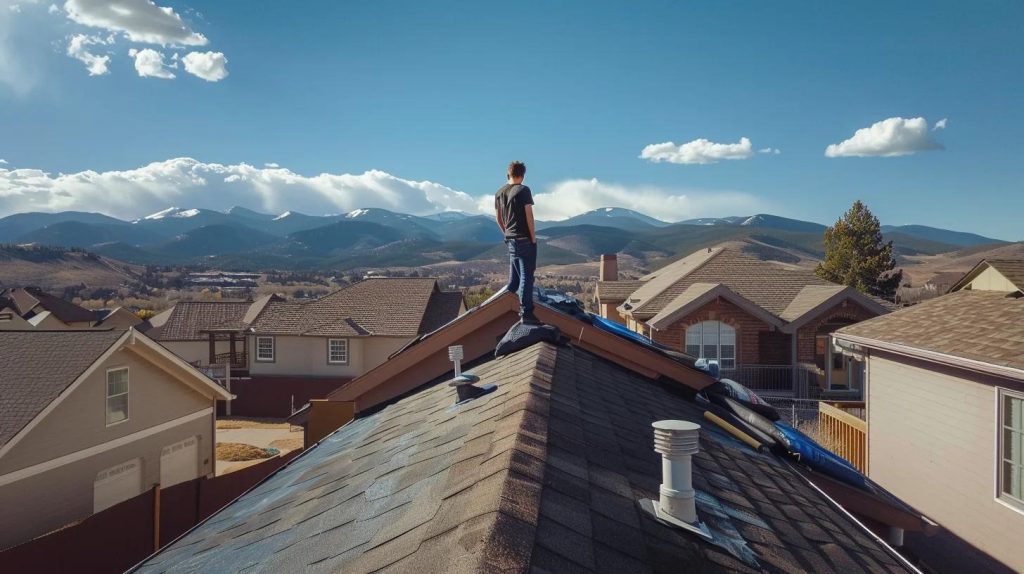
Your roof in Colorado deals with fast weather swings—sun, wind, snow loads, and hail can all stress different parts of the system at different times. The goal of inspections isn’t to “find problems,” but to catch small issues early and keep maintenance predictable.
This guide focuses on how often to schedule inspections and what should trigger an extra check. If you already have an active leak or interior water staining, treat that as a repair priority and schedule an inspection as soon as practical.
See the full service hub here. Visit “Red Rock Roofing – Roofing Services.”
How often should most Colorado homeowners schedule a professional roof inspection?
For many Colorado homes, a practical baseline is two inspections per year—spring and fall—plus an additional inspection after any severe storm. This aligns with widely cited roofing maintenance guidance that emphasizes seasonal checkups and post-storm reviews.
Spring inspections help you catch winter-related wear before the wetter parts of the year, and fall inspections help you prepare for freeze-thaw cycles and snow loads. If you only do one inspection annually, fall is often the most useful “anchor” because it sets you up for winter.
What should trigger an extra roof inspection sooner than your normal schedule?
If something “changes” quickly, your roof should be checked sooner. In Colorado, that often means hail, high winds, heavy snow, or debris impact.
Severe weather can create damage that isn’t obvious from the driveway—small tears, lifted edges, loosened flashing, or punctures can evolve into leaks weeks later. A post-storm inspection is less about panic and more about confirming what happened and documenting current condition.
Quick post-storm decision checklist
Use this to decide whether to schedule an extra inspection.
- You saw hail (even if it was brief).
- You had strong wind gusts, especially if you noticed branches down or fences affected.
- Snow/ice lingered on the roof longer than usual, or you noticed heavy icicles or unusual melt patterns.
- You see debris in valleys, near chimneys/vents, or in gutters.
- You notice new interior staining, a musty attic smell, or damp insulation.
If you want a clear, visual walkthrough, book a 12-point inspection here. See “Red Rock Roofing – Free 12-Point Roof Inspection.”
Does roof age change how often you should schedule inspections?
Yes. Older roofs usually benefit from more frequent checkups, because seals, flashings, and exposed components tend to degrade before the “field” of the roof looks dramatic.
A useful rule of thumb is: the closer your roof is to the later half of its service life, the more you want consistency. That doesn’t mean you’re “due for replacement”—it simply means you’ll catch small defects sooner, when they’re typically easier to address.

A simple Colorado roof inspection cadence table
Use this table as a scheduling guide. The goal is to match inspection frequency to the risk profile of the roof—not to over-inspect.
| Your situation (Colorado) | Suggested professional inspection cadence | Why this cadence helps | Best season anchor |
| Newer roof, no recent storms, no warning signs | 1x per year | Establishes a baseline and catches early seal/flashing issues | Fall |
| Roof is aging (or you’re unsure of age) | 2x per year | Seasonal checkups catch issues before winter/summer stress | Spring + Fall |
| Hail or high wind event in your area | Add a post-storm inspection | Confirms damage (or peace of mind) before small issues spread | As soon as weather clears |
| Heavy tree cover, frequent debris in gutters/valleys | 2x per year (or more if debris is constant) | Debris holds moisture and can accelerate localized wear | Spring + Fall |
| Prior leak/repair history (even if currently “fine”) | 2x per year + after major storms | Verifies past repair areas and penetrations stay sealed | Spring + Fall |
| Commercial/flat roof with drains/ponding risk | 2x per year + after major storms | Drainage issues and seams are easier to manage proactively | Spring + Fall |
What can you do between professional inspections (without turning it into DIY roofing)?
Between professional visits, you can do a “pattern check” from safe areas: walk the perimeter, look for changes, and keep water moving away from the roof.
Most homeowners get the best results by watching for new signals: a gutter that suddenly overflows, a downspout that started dumping near the foundation, or a ceiling corner that looks slightly darker than last month.
Between-inspections mini checklist (10 minutes)
- Look at rooflines from the ground: any new dips, waves, or obvious missing pieces.
- Check gutters/downspouts after storms: new granules, unusual debris, or overflow paths.
- Scan attic or top-floor ceilings: new stains, damp insulation, or persistent musty smell.
- Note penetrations you can see (skylights, chimneys): any new staining on interior trim.
Two real-world examples (Colorado scheduling)
Example 1 (homeowner): You had a spring hailstorm in the area, but you don’t see obvious damage. You keep your planned fall inspection, but you also schedule a post-storm check so any subtle hail impacts are caught early—before summer heat cycles open up small bruises or cracks.
Example 2 (facility manager): Your building has a low-slope roof with drains. You keep a spring + fall cadence, but after a heavy snow event you add a check to confirm drainage points are clear and no seams or rooftop penetrations were stressed by ice or ponding.
Common mistakes and red flags that lead to missed roof problems
The goal is to avoid preventable surprises.
- Waiting for a leak to “prove” there’s a problem. Many roof issues show up as small moisture signs first.
- Assuming “looks fine from the driveway” means “is fine.” Some damage is subtle until conditions change.
- Skipping seasonal checks. In Colorado, the transition seasons are where you catch winter and summer stress.
- Not keeping a simple inspection record. Even a phone note with dates and a few photos helps you spot change over time.
Roof inspection frequency FAQs
Is one inspection per year enough in Colorado?
For some newer, lower-risk roofs, annual inspections can be sufficient—especially if you add an extra check after major storms. If your roof is aging, has repair history, or you’re in a hail/wind-prone area, twice-yearly is often more practical.
What months are best for roof inspections?
Spring and fall are popular because temperatures are milder and you’re preparing for (or recovering from) the more extreme seasons.
Should you inspect after every hailstorm?
If hail occurred in your immediate area, it’s reasonable to schedule a check after conditions are safe—hail impacts aren’t always obvious without a closer look.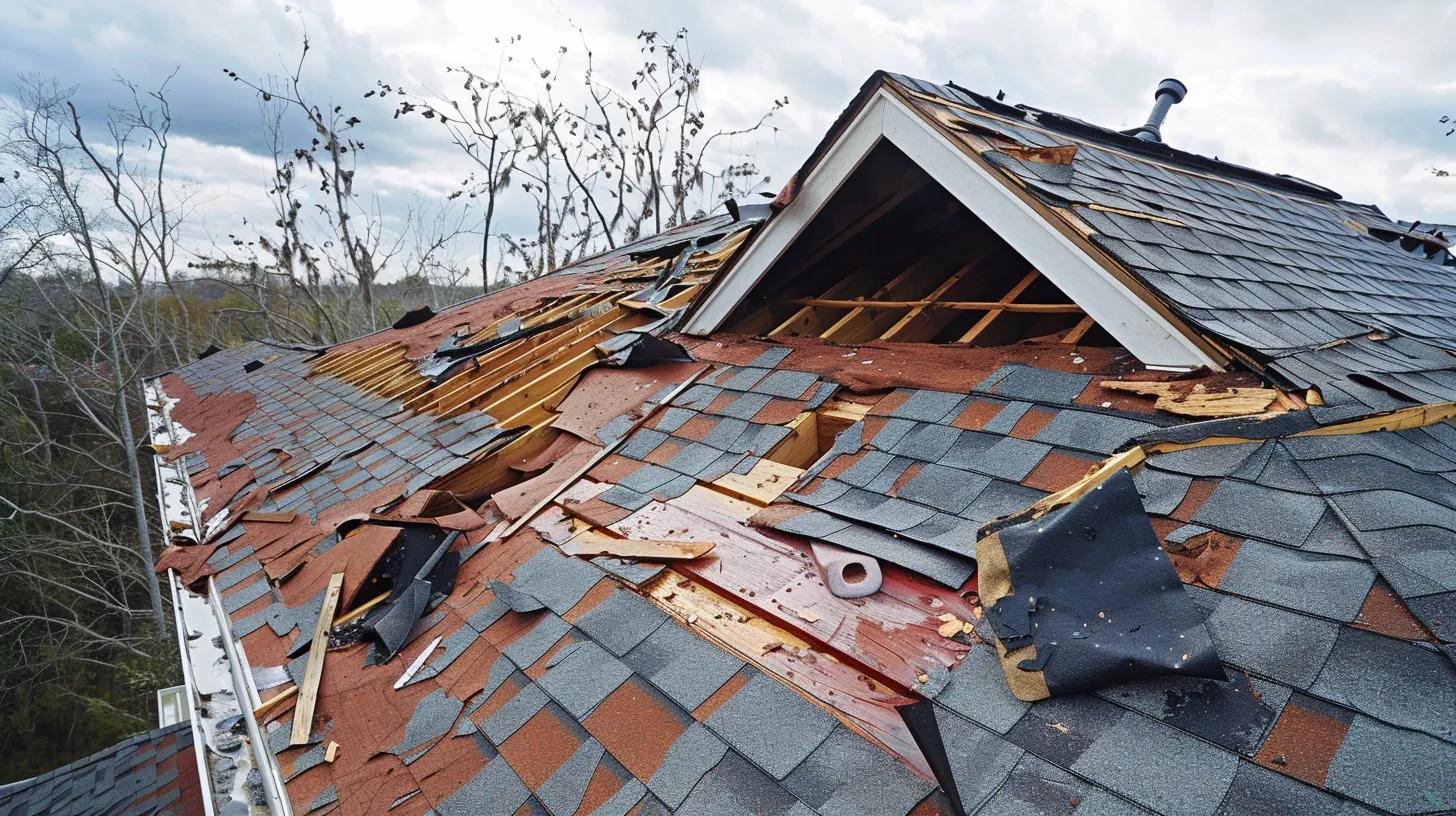
Next step
If you want a clear plan for your property, start with the service overview here.
Then, if an inspection makes sense, you can request a 12-point inspection here.
Optional bridge page (residential).
